
Turkey Dinner
Hobby coding communities are a potluck.
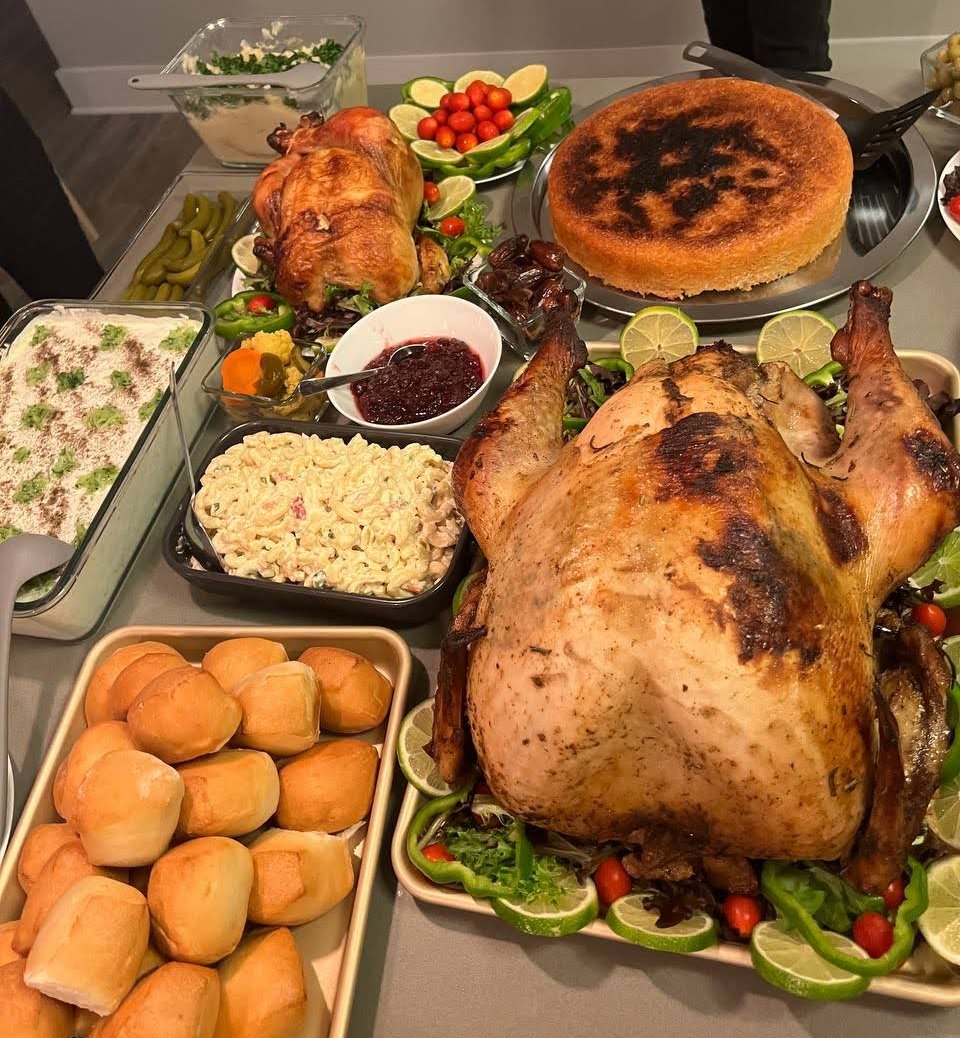
Imagine a potluck turkey dinner. A group of friends decide to each bring a dish to share: the host prepares the turkey, someone else brings mashed potatoes, another brings roasted Brussel sprouts, and so on. The group works together in advance to coordinate who brings what. Some people in the group love to cook and have a lot of cooking experience, some are grateful for the excuse to try cooking, and others just want to show that they care by trying to bring something even if they’re not good at it. Everyone feels loved by everything everyone makes and brings to the party.
Imagine someone shows up at this potluck, and brings a full twelve-course turkey dinner. One of everything. They’re new to the community, they want to make a good impression, and they didn’t want to coordinate with the group first about what to bring. It was just easier to show up with all twelve courses.
The others consider this an impolite thing to do. Some feel that this gesture doesn’t represent that they care about the people at the party. Some are suspicious of this person’s motives. It doesn’t matter how this person produced the turkey dinner, or whether the turkey dinner was of high quality. The gesture discounts the contributions of the others at the potluck, even if that wasn’t what was intended. Nevertheless, the group lets them in, because it looks like they’re trying to participate, so, they decide, let’s give them the benefit of the doubt.
As the evening goes on, 50 more unexpected guests show up at the potluck, each with a full twelve-course turkey dinner, each enough to feed everyone at the party, with leftovers. The host gets suspicious and asks the new partygoers how they are all able to bring full turkey dinners. A few of them admit that they bought a lot of it at the store pre-cooked. But many of them are excited to tell everyone about a new meal synthesizing device that allows them to describe a meal, at any level of detail, and it’ll make it to their specifications. It’s the future of cooking!
The host asks them, how is that different from the pre-cooked store meals? The guests with the synthesized meals explain that the machine frees them from the drudgeries of cooking, so they can focus on describing the meal, tasting the result, and redoing it as many times as necessary until they get something they like. One of them explains that their favorite part of a turkey dinner is the stuffing: they have a vivid memory of really good stuffing from their childhood, with spiced croutons and celery, and they spent hours arguing with the synthesizer about how to make it just right. That process was real work, they argue, and while they didn’t “cook” it in a traditional sense, it’s nothing like the pre-cooked store meals.
Not having to cook, they continue, means they can focus on the design of the meal, really iterate and innovate. Innovate on turkey dinner? someone asks. It’s turkey dinner. The point of turkey dinner is that it’s turkey dinner, that we get to follow the traditional menu once a year, even if we’re not good at cooking. If you’re not inventing new recipes and not cooking, what is it that you’re doing? The host asks the objector to calm down.
Then the host notices the meal bringer’s apple pie, which looks rather plain. Tell us about how you made this pie, the host encourages. The guest replies, Oh, I don’t really like apple pie, so I just let the synthesizer do its thing. And now we have apple pie!
One of the host’s friends had brought an apple pie. Just an apple pie, not a full meal. They spent the previous day making it from scratch, a traditional recipe that they’ve made every year for their friends and family. They could have bought a pie from the store, or synthesized one, or used pre-made crust with canned filling. But they enjoy cooking, and enjoy serving that labor of love to others to show that they care.
Now the homemade apple pie is in a pile with 50 other apple pies, and nobody wants to eat any of them. Everyone pokes a bit at the food and tries to make polite conversation. Nobody feels cared for, or feels that their own gestures of care have been accepted. As discussions get tense, the host asks that everyone who brought synthesized food raise their hand. Not to cast any shame or doubt, the host explains, just so that it’s clear what effort everyone put into what they’re sharing. At this potluck, the effort is how we show that we care about each other. If you put effort into your meals, please explain how.
The meal bringers get angry. They’ve watched for years as people have shared food with each other at these potlucks and everyone felt warm and loved. Now they’ve brought tons of food and are getting nothing. The new synthesizer is like a team of professional chefs that I have hired! I spent hours getting it to make food that I like! It’s food, like everyone else’s! Why isn’t that the same?
The house is full of turkeys and nobody is happy. The host gets fed up and tells everyone to leave. The long-time friends grumble. The person who brought the homemade apple pie fishes it out from the pile and puts on their coat.
Then one of the meal bringers speaks up. No, he says. This is our house now. There’s way more of us than there are of you, and we have enough food to last us a lifetime. You can leave, but we’re staying. Synthesizers are the future of food. If you can’t see that, then you’re right to get left behind.
In the weeks that follow, the meal bringers squat in the host’s house, working their machines, trying to impress one another by showing off the food it makes. They don’t eat it: there’s just so much of it, and anyone can make their own food if they’re hungry. They don’t discuss it, except with the synthesizer. They just keep producing piles of food, to experience what it’s like to produce food, like chefs used to do.
Then the synthesizers stop working. Nobody knows how to fix them, and the companies that made the machines have abandoned the personal food market in favor of industrial food suppliers in the hopes of making a profit. The remaining partygoers realize that everyone who knows how to make food has left. The party is over.
And they all choke on plastic green beans and die, the end.